
E-Payments: Transforming the Global Economy in the Digital Age

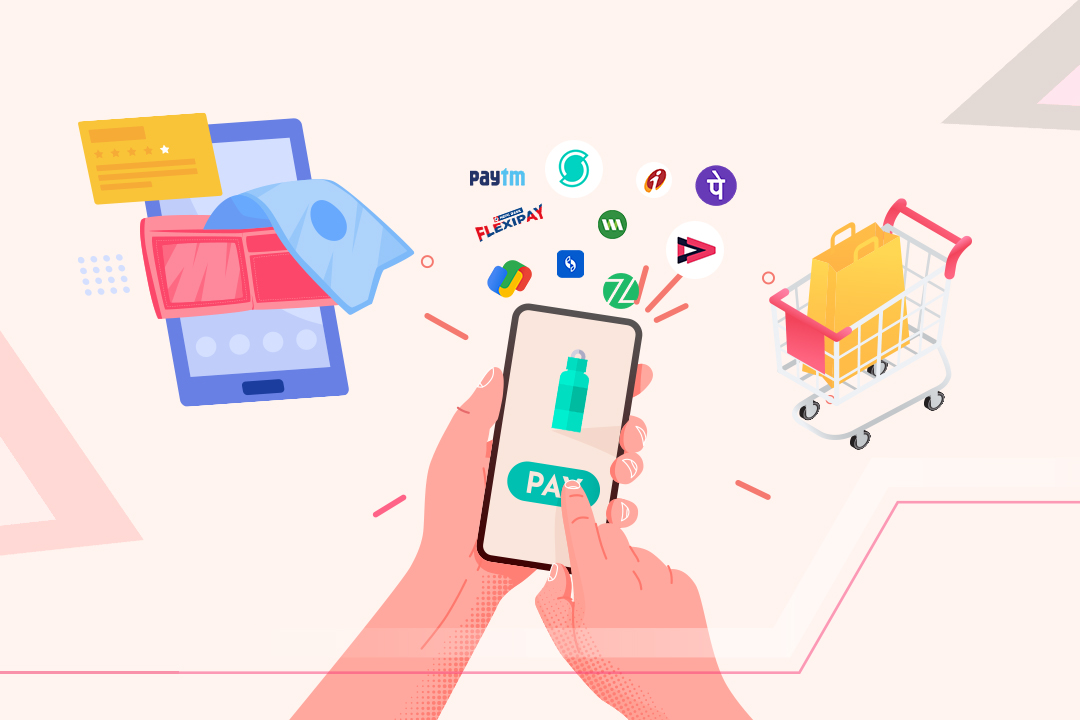
In the modern world, 二維碼支付 s have revolutionized the way we handle financial transactions. From making online purchases to managing business payments, e-payment systems have become integral to daily life. The ease, speed, and security that come with digital payments have reshaped how people and businesses manage their finances, with far-reaching effects on global economies. As the world becomes more digital, the shift to electronic payments is not just a trend but a profound transformation in the way we exchange money. This article explores the evolution, types, advantages, challenges, and future of e-payments.
What Are E-Payments?
E-payments, or electronic payments, refer to any form of payment that occurs digitally, replacing traditional methods like cash or checks. These payments take place over electronic networks, utilizing the internet, mobile applications, or other digital platforms. E-payment systems make it possible to pay for goods, services, or even transfer money instantly, securely, and globally. They include a variety of methods such as credit card transactions, bank transfers, digital wallets, mobile payments, and cryptocurrencies.
Unlike cash-based transactions, e-payments eliminate the need for physical currency, allowing consumers to make payments using digital tools. This transition has been especially notable in e-commerce, where digital transactions are now the norm for buying products and services.
The Evolution of E-Payments
E-payments have evolved significantly over the past few decades, adapting to the changing needs of consumers, businesses, and financial institutions. Here's a brief overview of how e-payments have developed:
-
Early Innovations: Credit Cards and Debit Cards (1950s – 1980s) The concept of digital payments began in the 1950s with the introduction of credit cards. The idea was revolutionary because it allowed consumers to make purchases on credit without needing cash. This system, initially used in brick-and-mortar stores, became widespread over the following decades with the advent of debit cards and ATM cards, which made it easier to access money and make payments electronically.
-
The Rise of Online Payments (1990s – 2000s) The 1990s marked the dawn of the internet age, and with it, the emergence of online shopping. As people began to buy goods and services online, the need for secure and efficient online payment systems grew. In 1998, PayPal was founded, offering users a simple way to send and receive money online. This innovation made e-commerce more accessible and set the stage for the rapid growth of online payments.
-
Mobile Payments: The Age of Smartphones (2000s – Present) The introduction of smartphones in the early 2000s brought about a new phase of payment innovation: mobile payments. Services like Apple Pay, Google Pay, and Samsung Pay allowed users to store their credit card information on their phones and make payments with a tap. This shift not only made transactions faster and more convenient but also enabled a new level of contactless payments, eliminating the need for physical interaction with payment terminals.
-
Cryptocurrencies and Blockchain (2009 – Present) In 2009, Bitcoin, the first decentralized cryptocurrency, was launched, offering an alternative to traditional banking systems. Powered by blockchain technology, cryptocurrencies offer secure, peer-to-peer transactions without the need for intermediaries. Although adoption has been gradual, cryptocurrencies are starting to make an impact on global finance, with several businesses accepting Bitcoin and other digital currencies as payment.
-
Buy Now, Pay Later (BNPL) Services (2010s – Present) The Buy Now, Pay Later (BNPL) model emerged as a popular way for consumers to shop without immediate full payment. Platforms like Klarna, Afterpay, and Affirm have enabled consumers to split the cost of their purchases into manageable installments. BNPL services are particularly popular among younger consumers and are quickly becoming an established payment option in e-commerce.
Types of E-Payment Systems
There are various types of e-payment systems that cater to different consumer needs, each offering distinct advantages. These include:
-
Credit and Debit Cards Credit and debit cards remain one of the most common methods of e-payment. They are issued by banks or financial institutions and allow consumers to pay for goods and services by accessing their bank accounts or credit lines. Credit cards, such as those issued by Visa, MasterCard, and American Express, are widely accepted both online and in physical stores.
-
Digital Wallets (E-Wallets) E-wallets or digital wallets allow consumers to store payment information, such as credit card details or bank account numbers, in one convenient and secure location. Examples of popular digital wallets include PayPal, Apple Pay, Google Pay, and Venmo. These wallets allow users to make instant payments via smartphones, tablets, or computers without needing to input card details each time.
-
Mobile Payments Mobile payments are a subset of e-payments that allow consumers to make transactions using their smartphones. This form of payment is typically enabled through Near Field Communication (NFC) technology, which enables contactless payments. With mobile payments, consumers can purchase goods by simply tapping their phone on an NFC-enabled point-of-sale (POS) terminal.
-
Cryptocurrencies Cryptocurrencies, such as Bitcoin, Ethereum, and Litecoin, are digital currencies that operate on decentralized blockchain networks. These cryptocurrencies allow for peer-to-peer transactions without the need for a central authority like a bank. Cryptocurrencies offer advantages such as low transaction fees, fast cross-border payments, and increased privacy compared to traditional payment methods.
-
Bank Transfers Bank transfers are an essential component of e-payments, enabling consumers to move money between accounts. They can be done via online banking, mobile banking apps, or payment services like SEPA (Single Euro Payments Area) in Europe or ACH (Automated Clearing House) in the United States. Bank transfers are commonly used for large transactions, bill payments, and international remittances.
-
Buy Now, Pay Later (BNPL) The Buy Now, Pay Later (BNPL) payment model allows consumers to make purchases and defer payment for a set period, often with little or no interest. Services such as Klarna, Afterpay, and Affirm have gained popularity, especially in the e-commerce sector, providing consumers with flexible payment options for both small and large purchases.
Benefits of E-Payments
E-payments offer numerous advantages for both consumers and businesses, making them an increasingly preferred method of transaction across the globe:
-
Convenience E-payments eliminate the need for physical cash, making transactions faster and more convenient. Consumers can make payments anytime, anywhere, as long as they have access to the internet or mobile connectivity. This convenience is particularly crucial in e-commerce, where the ability to complete a purchase with just a few clicks is essential for customer satisfaction.
-
Speed E-payments are processed almost instantaneously, allowing for immediate transactions. Whether it’s transferring funds, purchasing goods, or paying for services, e-payment systems significantly reduce the time required for transactions compared to traditional methods like checks or bank transfers.
-
Security E-payment systems use sophisticated security technologies, such as encryption, two-factor authentication (2FA), and tokenization, to protect consumer information. Blockchain-based cryptocurrencies add another layer of security, providing transparent and immutable records of transactions.
-
Global Reach E-payments are not confined to national borders. With digital payment methods, consumers can make cross-border transactions with ease. Cryptocurrencies, for example, allow for near-instantaneous international payments without the need for foreign exchange fees or lengthy processing times.
-
Cost Efficiency Digital payments typically incur lower transaction costs than traditional payment methods. Businesses save on overhead costs related to cash handling and check processing, while consumers benefit from lower fees for international transfers and currency exchanges.
-
Financial Inclusion E-payments have brought financial services to the unbanked population, particularly in developing countries. Mobile money services, such as M-Pesa in Kenya, have allowed millions of people without access to traditional banks to send, receive, and store money using just their mobile phones.
Challenges of E-Payments
While e-payments offer many benefits, they also come with certain challenges that must be addressed:
-
Cybersecurity Risks As e-payment systems grow in popularity, they become prime targets for hackers. Data breaches, fraud, and phishing attacks are significant concerns. Ensuring that payment systems are secure and protected from cyber threats is essential to maintaining trust in digital payments.
-
Privacy Concerns With digital payments, users must share personal and financial information, which raises concerns about data privacy. Companies must comply with data protection regulations, such as the General Data Protection Regulation (GDPR) in the EU, to ensure that consumer data is handled responsibly.
-
Digital Divide Not everyone has access to the internet or smartphones, which can limit the widespread adoption of e-payment systems, especially in rural or underserved areas. This digital divide can exclude certain populations from the benefits of e-payments.
-
Regulatory Hurdles The rapid growth of e-payments has outpaced regulatory frameworks in many countries. Governments are working to establish regulations to protect consumers, ensure financial stability, and combat fraud, but these regulations can sometimes be inconsistent across borders.
The Future of E-Payments
As technology continues to evolve, so too will the landscape of e-payments. Some of the key trends shaping the future include:
-
Blockchain and Cryptocurrencies Blockchain technology and cryptocurrencies will continue to disrupt traditional payment systems. Central Bank Digital Currencies (CBDCs) are also on the rise, with several countries experimenting with their own digital currencies to complement or replace traditional fiat money.
-
AI and Machine Learning Artificial Intelligence (AI) and machine learning will help improve fraud detection, customer service, and payment personalization. These technologies can analyze vast amounts of transaction data in real-time to identify suspicious activities and enhance the user experience.
-
Biometric Authentication As security becomes a top priority, biometric authentication methods such as facial recognition, fingerprint scanning, and voice recognition will become more prevalent, offering users a more convenient and secure way to make payments.
-
Internet of Things (IoT) and E-Payments The rise of the Internet of Things (IoT) will lead to new forms of e-payments, such as automated payments made by smart devices. Imagine refrigerators automatically ordering groceries when supplies run low, or self-driving cars paying for fuel as they stop at a gas station—IoT-enabled payments will create a more seamless experience.
Conclusion
E-payments have transformed how individuals and businesses conduct financial transactions, offering unparalleled convenience, security, and speed. As the world continues its digitalization journey, e-payments will remain at the forefront of the financial landscape. However, the challenges associated with cybersecurity, privacy, and digital inclusion must be addressed to ensure a secure and equitable future. With the advancement of blockchain, AI, and biometric technologies, the next generation of e-payment systems promises to be even more efficient, secure, and integrated into our daily lives. As we move closer to a cashless society, e-payments will continue to shape the future of global finance.