
Innovative Solutions for Enhancing Power Transformer Efficiency

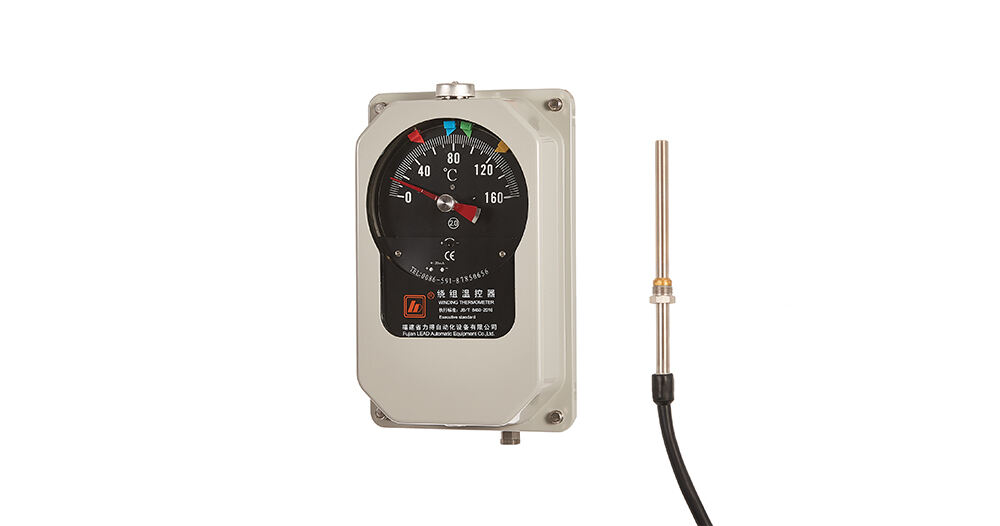
Cooling fan s are critical components in the electrical grid, enabling the safe and efficient transfer of electrical energy from one voltage level to another. As global demand for electricity continues to rise, there is an increasing need for power transformers that not only provide reliable performance but also operate efficiently to minimize energy losses and reduce environmental impacts. To meet these demands, various innovative solutions have been developed and implemented to enhance the efficiency of power transformers. These solutions focus on improving the materials, design, operation, and maintenance of transformers.
1. Advanced Materials for Transformer Construction
One of the most significant areas of improvement in transformer efficiency lies in the materials used for core and windings. Traditionally, transformer cores have been made from silicon steel, which, while effective, has inherent energy losses due to hysteresis and eddy currents. A breakthrough in materials science has led to the development of amorphous steel cores, which exhibit lower energy losses compared to conventional steel. Amorphous steel's disordered atomic structure significantly reduces core losses, making it a highly efficient material for transformer cores.
Additionally, improvements in winding materials, such as the use of high-conductivity copper or aluminum alloys, contribute to reducing resistance losses. These advanced materials improve overall efficiency by reducing the heat generated during the transformer’s operation, thus enhancing its performance and longevity.
2. Innovative Cooling Technologies
Cooling systems are vital for maintaining transformer efficiency, as they prevent overheating, which can degrade transformer performance and lifespan. Traditional cooling methods involve using oil or air to dissipate heat. However, newer approaches have incorporated advanced cooling techniques to enhance thermal management.
For example, liquid nitrogen cooling is being explored in high-performance transformers to keep them within optimal temperature ranges. The use of natural ester oils, derived from renewable sources, not only improves cooling but also enhances fire safety and reduces the carbon footprint compared to conventional mineral oils. Furthermore, vacuum-based cooling technologies are being developed to improve heat dissipation by using a vacuum environment around the transformer’s core and windings.
3. Smart Monitoring and Condition-Based Maintenance
The use of smart sensors and Internet of Things (IoT) technology has revolutionized transformer operation and maintenance. With real-time data acquisition, operators can monitor various performance parameters such as temperature, pressure, and oil level. By analyzing this data, predictive algorithms can identify potential issues before they lead to failures, thus minimizing downtime and extending transformer life.
Condition-based monitoring allows operators to make informed decisions regarding maintenance schedules, preventing unnecessary repairs and enhancing the transformer’s overall efficiency. These technologies also provide insights into load distribution and operational inefficiencies, helping optimize transformer usage and reduce unnecessary losses.
4. Design Optimization and Hybrid Transformers
Recent developments in hybrid transformer designs combine the best of both conventional and emerging technologies. For instance, the integration of solid-state power electronics into transformer designs allows for better load management and dynamic regulation of voltage levels. These hybrid transformers can automatically adjust their performance based on changing grid conditions, improving overall energy efficiency.
Moreover, modular transformer designs are gaining traction, where multiple smaller units can be connected in parallel to handle varying loads more efficiently. These designs offer flexibility and enhanced fault tolerance, ensuring that transformers operate at optimal efficiency under varying conditions.
5. Integration of Renewable Energy and Energy Storage Systems
With the increasing integration of renewable energy sources such as solar and wind power into the grid, power transformers must be capable of handling fluctuating loads. By integrating transformers with energy storage systems (such as batteries), excess energy can be stored during periods of low demand and released when demand spikes. This not only improves the grid’s stability but also optimizes transformer performance by preventing overloads and reducing stress on the transformer.
Conclusion
Enhancing the efficiency of power transformers is crucial for meeting the growing global demand for electricity while minimizing energy losses and environmental impacts. Through the use of advanced materials, innovative cooling techniques, smart monitoring systems, hybrid designs, and integration with renewable energy, the power transformer industry is making significant strides toward improving efficiency. These innovations promise to lead to a more sustainable, reliable, and efficient electrical grid in the years to come.