
Tensile Structures: Transforming Urban Spaces with Lightweight Design

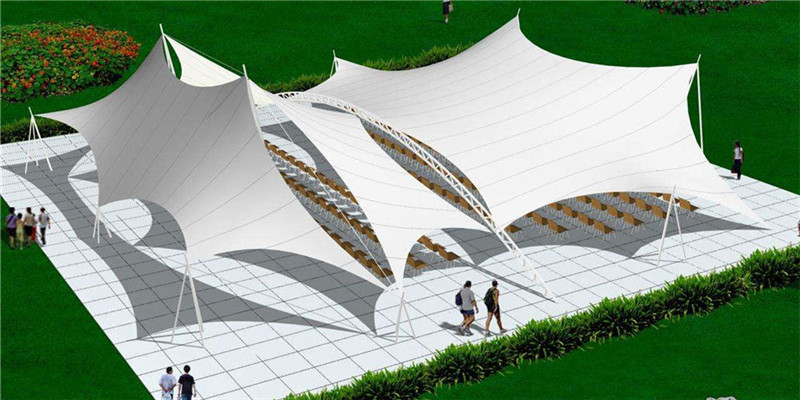
In the ever-evolving world of architecture and urban design, tensile structures have emerged as a revolutionary solution for creating flexible, efficient, and aesthetically striking spaces. These structures, known for their ability to combine beauty and functionality, utilize tensioned materials—such as fabrics or membranes—stretched over a framework to form unique, lightweight designs. Tensile architecture is transforming urban spaces, redefining the way we interact with the built environment while addressing the growing demand for sustainable and adaptable designs.
What are Tensile Structures?
Tensile structures are architectural designs that rely on tension rather than compression to create stable, efficient, and dynamic forms. Unlike traditional buildings, which depend on heavy, rigid materials, tensile structures employ materials that are stretched tightly across a supporting framework, typically made of cables, poles, or other lightweight elements. The tension in these materials provides stability and allows for more expansive and open designs without the need for bulky supports.
Common materials used in tensile structures include high-strength fabrics, such as PTFE-coated fiberglass, PVC, or ETFE (ethylene tetrafluoroethylene), each of which offers durability, weather resistance, and flexibility. These materials are capable of withstanding extreme environmental conditions while providing an elegant, translucent aesthetic. The lightweight nature of these materials makes tensile structures ideal for large-scale applications where traditional, heavy construction methods would be impractical.
Benefits of Tensile Structures in Urban Design
-
Lightweight and Cost-Effective: Tensile structures are relatively lightweight compared to conventional construction methods, which results in lower material costs and reduced environmental impact. They also require fewer foundation requirements, reducing the overall cost of construction. This makes them an appealing option for cities looking to optimize space and resources.
-
Sustainability: As urban areas continue to grow, there is an increasing demand for sustainable, energy-efficient solutions. Tensile structures, with their ability to provide ample natural light and ventilation, can help reduce energy consumption in public spaces, reducing the reliance on artificial lighting and air conditioning. Furthermore, the materials used in tensile structures are often recyclable, adding to their eco-friendly appeal.
-
Aesthetic Appeal and Flexibility: Tensile structures offer designers the opportunity to create visually striking and unique shapes. The use of flowing curves, smooth surfaces, and transparent materials results in a futuristic and dynamic aesthetic. These structures can be adapted to various scales, from small pavilions to massive canopies, and can be customized to suit different urban environments, whether in parks, plazas, or public transportation hubs.
-
Adaptability and Versatility: One of the most attractive features of tensile structures is their ability to adapt to a wide range of purposes. They can be used to create covered walkways, open-air auditoriums, sports stadiums, and more. Additionally, the lightweight nature of the materials allows for easier relocation or reconfiguration of structures, making them perfect for temporary installations or spaces that need to evolve over time.
Urban Applications of Tensile Structures
In the context of urban spaces, tensile structures are finding use in a variety of settings, enhancing both the functionality and visual appeal of cities. For instance, they are commonly employed in transportation hubs, where they provide shelter while maintaining open, airy spaces. Sports stadiums and arenas have also embraced tensile design, offering expansive roofs that cover large areas without obstructing sightlines.
Public parks and recreational spaces benefit from event tents Saudi that offer shelter from the sun or rain, enhancing the experience for visitors. These structures are also becoming more popular in commercial developments, such as malls or cultural centers, where they create unique environments that attract visitors.
Conclusion
Tensile structures are an innovative solution for transforming urban spaces with lightweight, sustainable, and aesthetically captivating designs. By utilizing tensioned materials, these structures allow for the creation of versatile, cost-effective spaces that are both functional and beautiful. As cities continue to evolve, the integration of tensile architecture will play a crucial role in shaping urban landscapes, contributing to a future that is as dynamic and adaptable as the spaces we inhabit.